Route 09 · Things to Do in Valle Gran Rey, La Gomera
Things to do in Valle Gran Rey, La Gomera: beaches, boat trips, market and sunsets
Valle Gran Rey is small enough to explore on foot: a ravine of palm groves and terraces running down to the sea, three little neighbourhoods on the coast and a harbour where the boats leave from. Here is what is genuinely worth doing, in a sensible order, and where to stay so it is all on your doorstep.
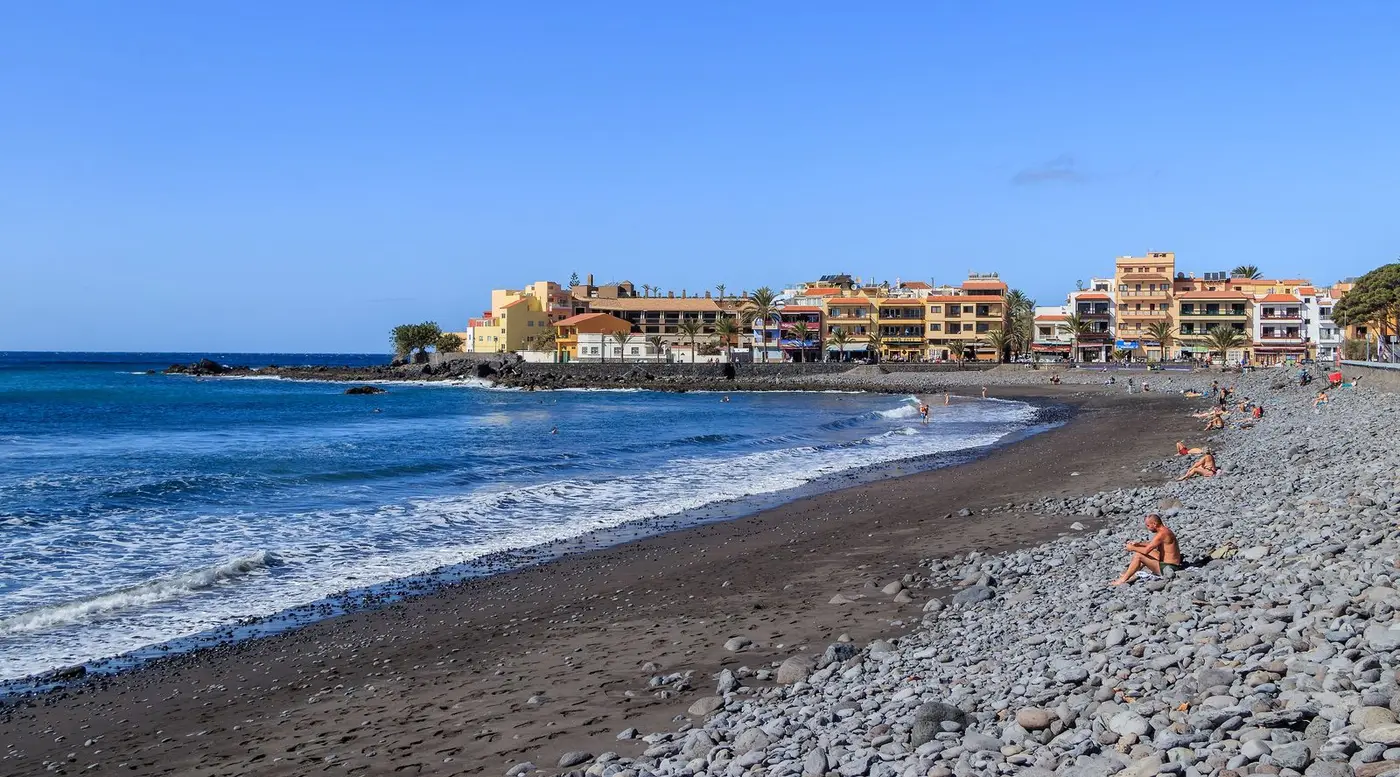
Photo: Llez · CC BY-SA 3.0 · via Wikimedia Commons
What is there to do in Valle Gran Rey in a few days?
Swim at the dark-sand beaches, take a boat trip from Vueltas harbour, watch the sun set over the sea and walk down one of the old paths into the valley. Three or four days covers it all without rushing.
Valle Gran Rey is the municipality in the south-west of La Gomera: around 33 km² rising from the coast to almost 1,000 metres, with just over 4,600 residents. Down by the sea are La Calera, Vueltas and La Playa; further up the ravine, hamlets sit among palms and terraced fields. It has more holiday accommodation than anywhere else on the island, yet everything is still small-scale.
- Day 1: Vueltas beach or Charco del Conde, a stroll round the harbour and sunset at Playa del Inglés.
- Day 2: a boat trip to see whales and dolphins, or the Los Órganos cliffs.
- Day 3: walk down from Arure on the Path of Salt and Wind.
- Day 4: Garajonay National Park and the mountain villages, by car or by bus.
Which is the best beach in Valle Gran Rey?
For calm swimming, Vueltas beach and the Charco del Conde; for a full beach day and the sunset, La Calera and Playa del Inglés. All of them are dark volcanic sand or pebbles, and the Atlantic is in charge here, so check the sea before you go in.
La Calera is the largest beach in the municipality, and the island's official tourist board rates it as the best beach in La Gomera for children thanks to its calm water, although there is no lifeguard. Vueltas beach, next to the harbour, is sheltered by the breakwater. The Charco del Conde is a natural pool between La Puntilla and Vueltas, protected as a site of scientific interest, where toddlers can paddle without waves.
Playa del Inglés, beneath the La Mérica cliffs, is wilder and more exposed. It has no lifeguard either, so only swim there with great care.
What is there to see in Vueltas, La Calera and La Puntilla?
Vueltas is the harbour quarter and La Calera the old town, and the walk between them is the nicest stroll in the valley.
Fishing boats still tie up in Vueltas harbour and the excursion boats leave from here; around it are café terraces, shops and places renting kayaks, stand-up paddleboards and bikes. La Calera was founded in the 16th century on the hillside, away from the shore to keep it safe from pirates, and still has steep lanes and white houses perched above the valley.
At La Puntilla, by the sea, stands the statue of Hautacuperche, one of the leaders of the 1488 Gomeran rebellion in which the island's lord, Hernán Peraza the Younger, was killed. The valley's history is tied to that uprising: this is where the native chief Hupalupa lived, and the name Valle Gran Rey, the Valley of the Great King, comes from him.
Is a whale and dolphin watching trip worth it?
Yes: it is the valley's most memorable trip, and it leaves from Vueltas harbour. Whale and dolphin watching trips last about four hours, and more than 21 species of cetaceans have been recorded around La Gomera.
Short-finned pilot whales live in these waters all year round, so the trip makes sense in any season; you may also see bottlenose dolphins, spotted dolphins or sperm whales. Choose a boat that displays the Barco Azul (Blue Boat) badge, which identifies operators that follow the official whale-watching rules.
The other classic trip is to Los Órganos on the north-west coast: a wall of basalt columns about 200 metres wide and 80 metres high that can only be seen from the sea. It also takes around four hours. As with any boat trip, it depends on sea conditions, so leave a spare day in your plans.
Where can you watch the sunset in Valle Gran Rey?
On Playa del Inglés or La Calera beach, facing west as the sun drops into the ocean. Get there early: half the valley has the same idea.
It is an old habit here. Since the 1970s Valle Gran Rey has drawn hippies and alternative travellers, and it is still common to find people gathered on the shore at dusk, sometimes with drums, to see the sun off.
For a view of the whole valley from above, head up to the El Palmarejo viewpoint, designed by César Manrique at around 700 metres, with a restaurant and views over the ravine walls, terraces and palm groves. It is about 15 minutes by car from Vueltas, and bus route 1 stops right at the viewpoint.
What to do on a Sunday: the Valle Gran Rey market
Go to the market. On Sunday mornings it sets up next to the bus station, with crafts, handmade jewellery, clothes, second-hand finds and produce from local gardens.
Try the local food while you are there. Almogrote, a spread of aged cheese and spicy mojo, is the standard starter at almost any meal on La Gomera. Palm honey is made by boiling guarapo, the sap of the Canary Island date palm, and is sold in many shops in the valley. If you see watercress stew (potaje de berros) on the menu, order it, with a glass of island wine made mostly from the local Forastera Gomera grape.
In early January you will catch the fiestas of the valley's patron, the Virgen de los Reyes, around 6 January: processions to the sound of drums and chácaras (castanets) and the traditional Ramo offering.
Which walks can you do straight from the valley?
Several trails start or finish in the valley, and the bus takes you up so you can walk back down. The easiest to organise:
- Path of Salt and Wind: from the Mirador del Santo in Arure down to Vueltas beach, via the La Mérica viewpoint and Playa del Inglés. 11.7 km, about 4 h 30 min, moderate.
- El Guro and the Barranco de Arure: 1 h 15 min, easy, from Casa de la Seda to one of the island's few permanent waterfalls. Not in rain, and not if you suffer from vertigo.
- Garajonay National Park: the laurel forest at the heart of the island, a UNESCO World Heritage Site since 1986, reached via Arure and Las Hayas.
- The Valle Gran Rey Rural Park protects the La Gomera giant lizard, one of the most threatened reptiles on the planet, so please stay on the paths.
Where to stay in Valle Gran Rey
If you want the beach, the harbour and everything within walking distance, stay in Vueltas: Mirador de Iguala and Retiro de Vueltas face the beach and harbour, sleep 4 and have two double bedrooms and an open-plan kitchen and living room. You can walk to the beach, the boats, the shops and the bus stop, and the Benchi Express catamaran docks right in front.
If you would rather have peace and village life, Casa Mimo is in El Hornillo, deep in the ravine among terraces and palm trees. It is reached by a footpath of about 200 metres, not suitable for guests with reduced mobility, and a car is useful for getting around.
Book direct with us, with no platform fees. Send us your dates and how many of you are coming.
Common questions
What is there to do in Valle Gran Rey?
Swim at La Calera, Vueltas or the Charco del Conde natural pool, take a boat trip from Vueltas harbour to see whales, dolphins or Los Órganos, watch the sunset at Playa del Inglés and hike down from Arure. On Sunday mornings there is a market next to the bus station.
Is La Gomera worth visiting?
Yes, especially if you enjoy walking and slow travel: it has the Garajonay laurel forest, a UNESCO World Heritage Site, more than 600 km of trails and small villages like Valle Gran Rey. Stay at least three nights to see it properly.
Does La Gomera have beaches?
Yes, mostly dark volcanic sand and pebbles. In Valle Gran Rey, La Calera and Vueltas beach have calm water and the Charco del Conde is a sheltered natural pool; Playa del Inglés is wilder and unguarded.
Is La Gomera touristy?
Not in the way Tenerife's big resorts are. Valle Gran Rey has the most holiday accommodation on the island, but it is still a small place of low-rise houses, a fishing harbour and a Sunday market.
When can you see whales in La Gomera?
All year round, because short-finned pilot whales live in these waters permanently. Trips from Vueltas harbour last about four hours; choose a boat with the Barco Azul badge.
Can you visit Valle Gran Rey without a car?
Yes, especially if you stay in Vueltas, where the beach, harbour, shops and boats are all within walking distance. Bus route 1 links the valley with Arure, the mountain villages and San Sebastián; hire a car for a day or two to see the rest of the island.
Where to stay
Our homes are spread across Tenerife and La Gomera, so almost all of these routes are a short drive away.
See homes in Valle Gran ReyOther routes
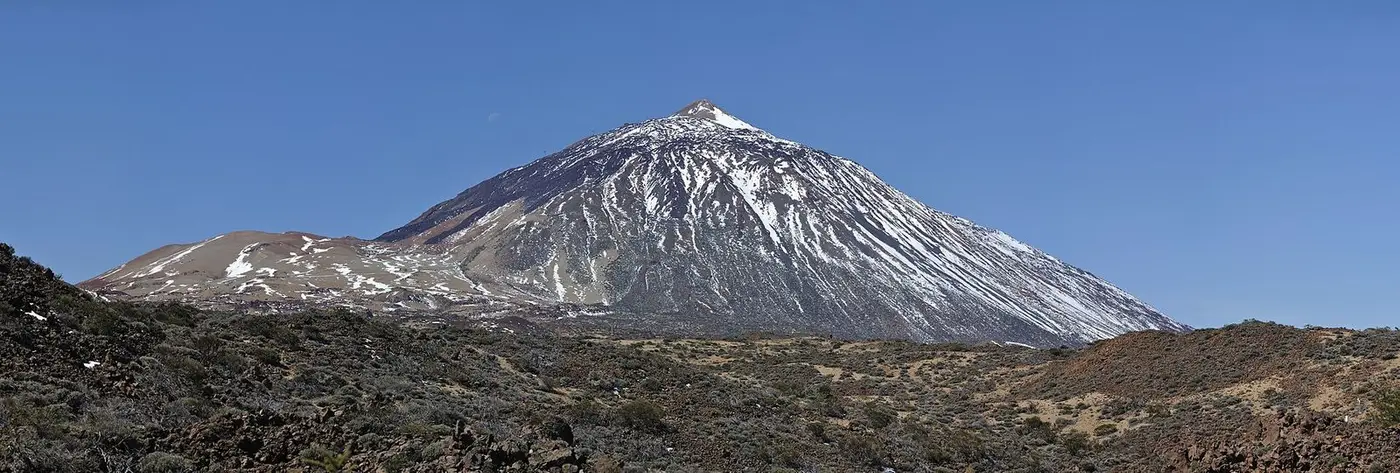
Route 01
The roof of Spain
There are places you visit and places you remember. Climbing Teide belongs to the second kind. At 3,715 metres, Teide dominates Tenerife and offers one of the most striking landscapes in the Canaries. To really enjoy it, it is worth planning the visit and giving it time.
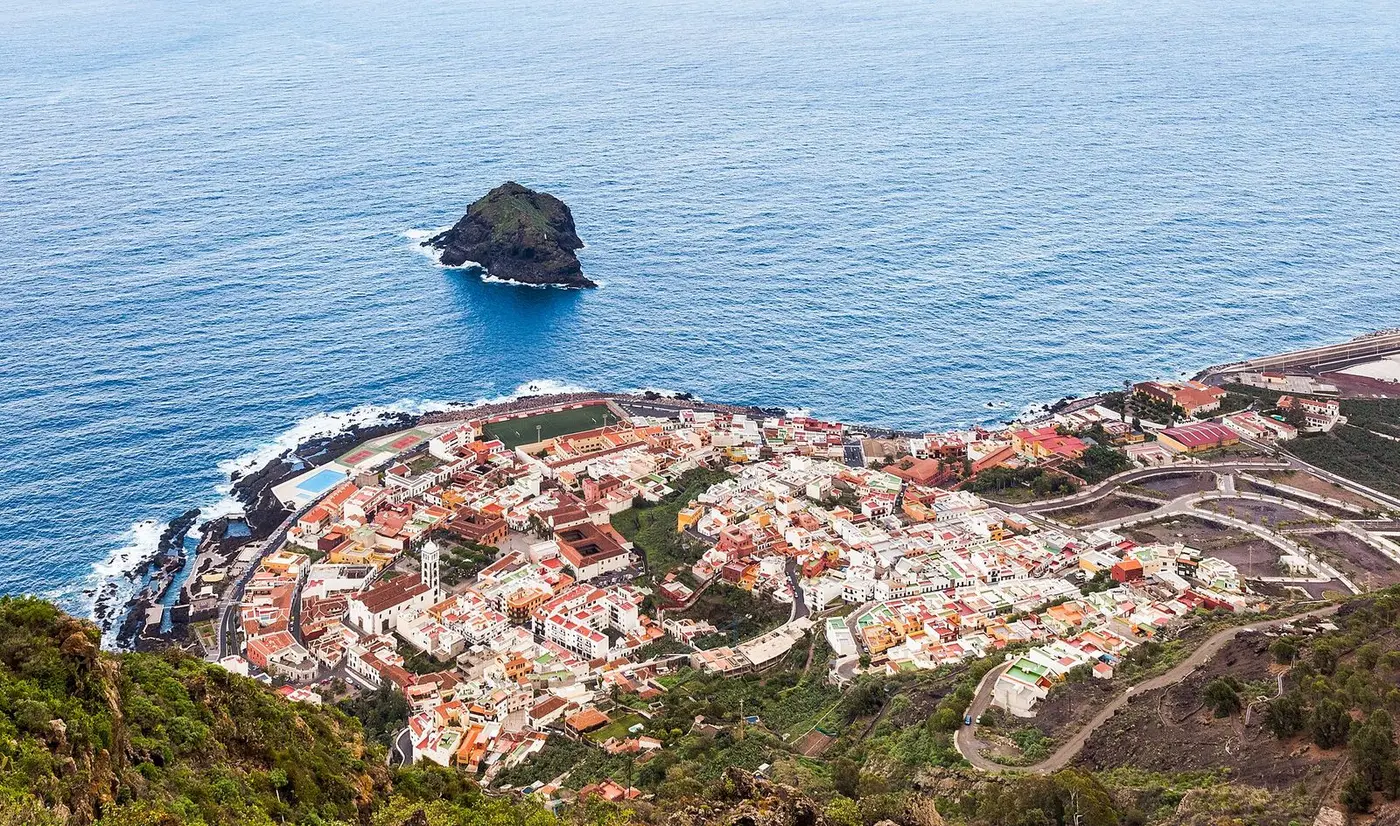
Route 02
The Tenerife many visitors never get to see
If you want to discover a greener, quieter, more authentic Tenerife, drive north. Historic towns, roads winding through banana plantations, cliffs, natural pools and some of the island's most spectacular scenery make this one of our favourite routes.
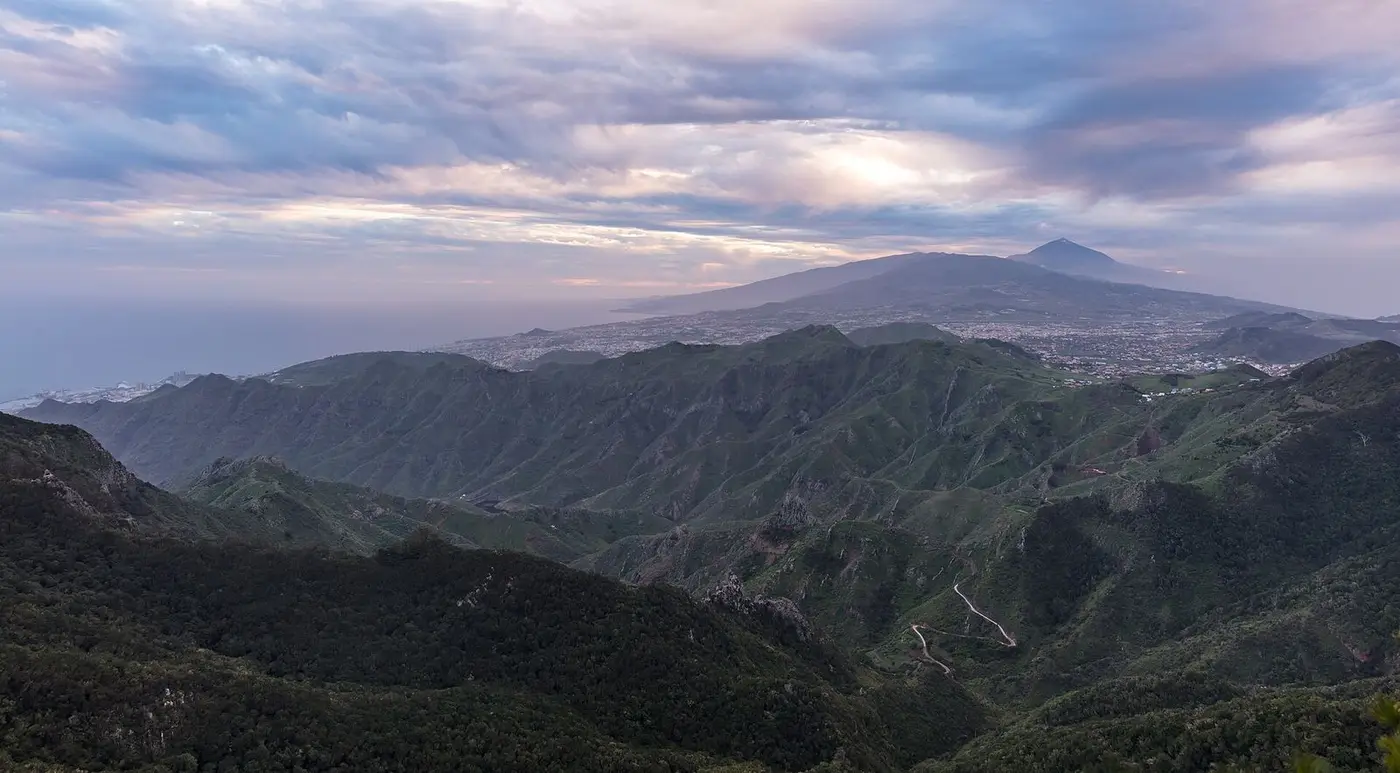
Route 03
The forest where Tenerife feels like another island
Anaga is one of those places you struggle to believe is in Tenerife. Mountains, mist, narrow roads, ravines and small villages hidden among the vegetation make up one of the most remarkable landscapes in the Canaries.